


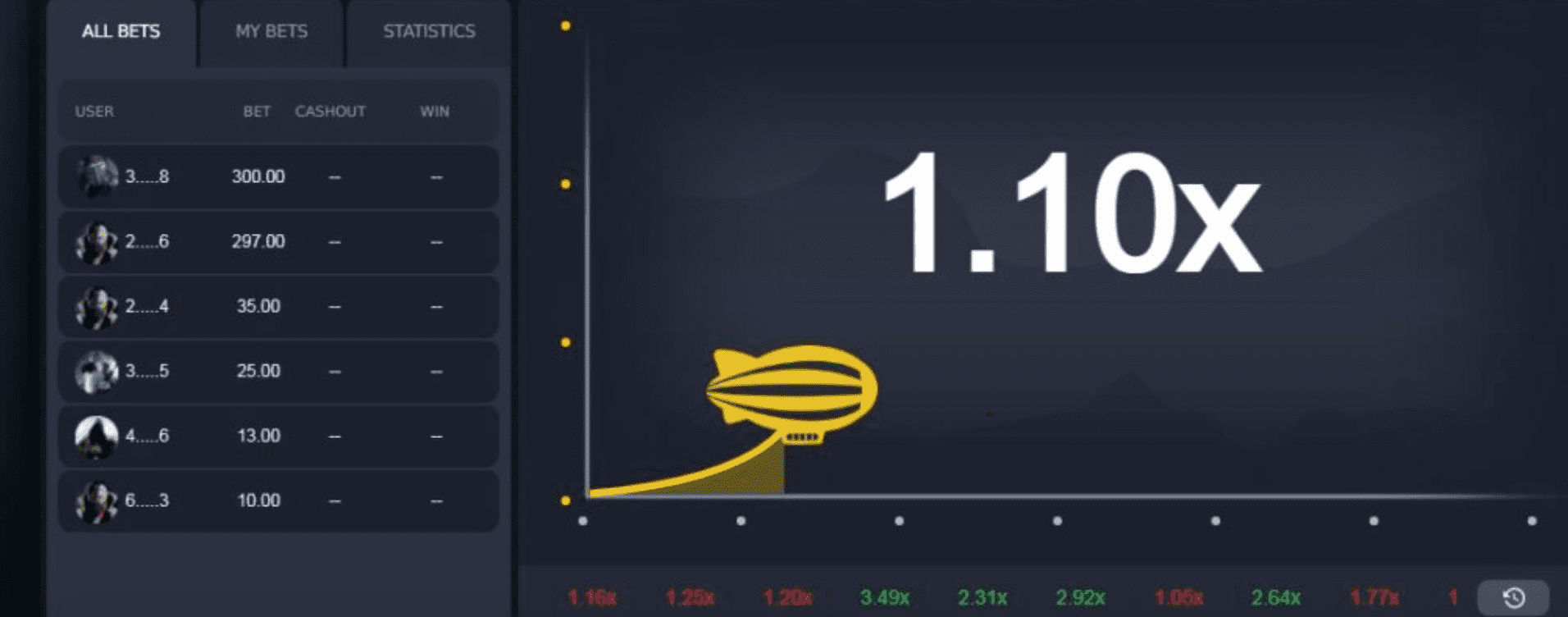
A game’s visual design does more than just look nice. It activates psychological levers, shaping how players experience, what they notice, and what they decide. For online crash games such as Zeppelin Crash, colour schemes establish a understated but influential interface. They mold the user experience beneath conscious thought. Players in the UK view these colours through their own cultural lens. This influences trust, excitement, risk-taking, and concentration. Let’s examine the specific palette used by Scored Zeppelin Crash. We’ll link it to established colour psychology and British market nuances. This demonstrates how its visual identity molds player engagement and the choices they select.
The Dominance of Blue: Confidence and Serenity in Intense Play
In Western psychological studies, blue is strongly associated with confidence, steadiness, and tranquility. It appears everywhere UK corporate branding, particularly in finance and technology. This repetition fosters a impression of security and dependability. Zeppelin Crash Game uses blue as a main colour, frequently for the interface and background. This choice has a crucial job. It mitigates the inherent tension of a crash game, where timing and risk decide everything. The blue delivers a visually calming setting. For UK players, this likely offers implicit reassurance. It establishes a space that resembles measured excitement, not uncontrolled gambling. The colour conveys a trustworthy, professional platform. That association is essential for developing player loyalty in a competitive online market where trust is everything.
The Zeppelin Silhouette: Metallic Shades and Historic Reverberations
The primary zeppelin design introduces its own metal colour scheme—silvers, grey tones, gunmetal shades. These colors evoke industrial power, equipment, and historical importance. The zeppelin as an icon holds cultural meaning. It represents early 20th-century innovation and aspiration, but also notorious tragedy. The metallic sheen implies a sturdy, engineered machine. This matches the game’s system: a seemingly predictable climb that can cease without alert. A UK audience has a rich engineering tradition and a collective recollection influenced by occurrences like the R101 airship disaster. For them, these colors may subtly underscore a narrative of engineering risk and risk. It provides a dimension of thematic richness that transcends abstract visuals.
Hue Impact on Gamer Emotion and Stimulation
The order of colours during gameplay instantly influences the player’s emotional journey. The calm, trust-building blue of the waiting area and bet placement screen enables a steady, low-energy state. When the round begins, the rising graph, often in a high-contrast shade like white or yellow against a dark setting, pulls in intense attention. Arousal peaks when prominent reds and oranges glow as the multiplier ascends, creating excitement and urgency. A successful cash-out, marked in green, offers a satisfying dopamine spike. A crash event may use a harsh flash of red or white. This thoroughly planned colour sequence aims to do several things.
- Create a baseline of trust and calm with blue.
- Build focused anticipation and excitement during the ascent.
- Provide a clear reward signal with green at cash-out.
- Provide a sharp, conclusive event at the crash moment.
This pattern of rising and falling arousal is central to the game’s captivating nature. The colour scheme profoundly guides it.
Societal Colour Nuances in the UK Market
Core colour psychology is mostly universal, but local cultural flavours change how people understand it. In the UK, certain colours have particular historical or social connotations. A heavy use of gold or purple, for instance, might seem overly showy or royal to some users, which could push them off. The palette Zeppelin Crash selected—dominant blue with energetic highlights—feels deliberate. It aligns with a modern, digitally-native British taste that values understatement. The game eschews the overt ‘luck-based’ visual language of traditional casinos, like roulette reds and golds. Instead, it chooses the clean, tech-forward look of fintech or gaming platforms. This frames the game as a skill-adjacent, strategic pastime rather than pure chance. That nuance matters to a part of the UK market.
Eco-friendly for Growth and Monetary Reward
Sustainable holds a potent and distinct association in financial contexts: expansion, riches, and ‘go’. In the UK, from stock market tickers to banking apps, sustainable means upward movement and gain. Zeppelin Crash Game uses this colour in a extremely precise, symbolic way. It appears most noticeably on profit displays, winning totals, or the ‘Cash Out’ button. This creates a clear, instant visual reward signal. When a player sees sustainable flash on the screen, it triggers positive mental reinforcement tied immediately to financial gain. That prompts them to keep playing. This use fits the game’s core objective ideally. It makes conceptual numerical gains feel concrete and gratifying through a colour code everyone grasps.
Accessibility and Accessibility Considerations
Good design must also address colour accessibility for all players. This encompasses the approximately 1 in 12 men and 1 in 200 women in the UK with some form of colour vision deficiency (CVD). Zeppelin Crash’s high-contrast design, notably the stark contrast between the graph line and its background, assists users with CVD. However, using colour alone to convey information—like red for ‘lose’ and green for ‘win’—creates problems. The game’s design seems to reduce this risk by pairing colour with clear symbols, like ticks and crosses, and numerical readouts. This guarantees critical game information is communicated multiple channels. The practice aligns with wider UK web accessibility standards and ethical design principles. It enables a broader audience can play the game safely and grasp what is happening.
Black, White, and Grey: Clarity, Distinction, and Contemporary Style
A balanced framework of black, white, and grey provides the vital canvas for Zeppelin Crash’s more emotional colours. In design psychology, these neutrals signify sophistication, clarity, and modernity. They cut down visual noise. This allows the key interactive elements and the crucial game graph stand out with maximum impact. A uncluttered, high-contrast interface is standard in UK digital design. It offers good readability and a professional look, minimising mental strain. Players can zero in purely on the numbers and the rising curve, which assists them make quicker decisions. Using these neutrals positions the experience as a polished, contemporary digital product. It seems less like a loud casino, drawing to a broad demographic looking for a streamlined game.
Accents of Red and Orange: Vitality, Pressing, and Warning
Against that calm blue background, Zeppelin Crash introduces accents of red and orange. These colours carry strong psychological triggers. Red relates to energy, excitement, danger, and urgency. It commands attention and can elevate a player’s heart rate. Orange reflects this energetic quality but often implies fun, optimism, and good value. In the game, these colours probably emphasize the most critical interactive parts. Think of the ‘Bet’ button, the multiplier display, or the climbing graph line. They inject a needed shot of adrenaline and focus into the session. These hues signal moments for action and potential reward. For the UK player, the red and orange pierces the calm. It generates a dynamic visual rhythm that aligns with the game’s building tension and the crucial cash-out decision.
Comparison with Other Crash Game Colour Themes
Comparing Zeppelin Crash’s color approach to different popular crash games shows clear distinctions in strategy. Some opponents utilize ultra-minimalist black-and-white schemes for a strictly analytical vibe. Others choose vivid, neon-drenched appearances that recall arcade games. Zeppelin Crash picks a intentional middle path. Its blend of dependable blue, dynamic accents, and sleek neutrals makes it stand out. It steers clear of casino-style reds, blacks, and golds. It also avoids hyper-casual candy hues. This indicates the game targets players who want a balanced encounter. They look for the genuine excitement of risk and profit inside a trustworthy, modern digital setting. For the UK player, this colour theme may appear more akin to the designs of trading apps or sophisticated video games. It could appeal to users who would avoid visuals that looks too much like gambling.
The color scheme of Zeppelin Crash Game is a complex piece of real-world environmental psychology. Its colour choices is no coincidence. It is a deliberate device. Blue builds trust. Red and orange generate enthusiasm. Green indicates gain. Neutrals ensure clearness. Metallic tones add thematic resonance. For a UK market, this strategy handles cultural tastes for subtle, tech-forward design well. It creates separation between the game and traditional gambling iconography. The colours collaborate to direct the player’s emotional arc. They regulate excitement and shape the whole encounter as regulated, modern amusement. It proves a simple principle in digital game design: viewing a particular shade is essentially linked to experiencing a specific way.