


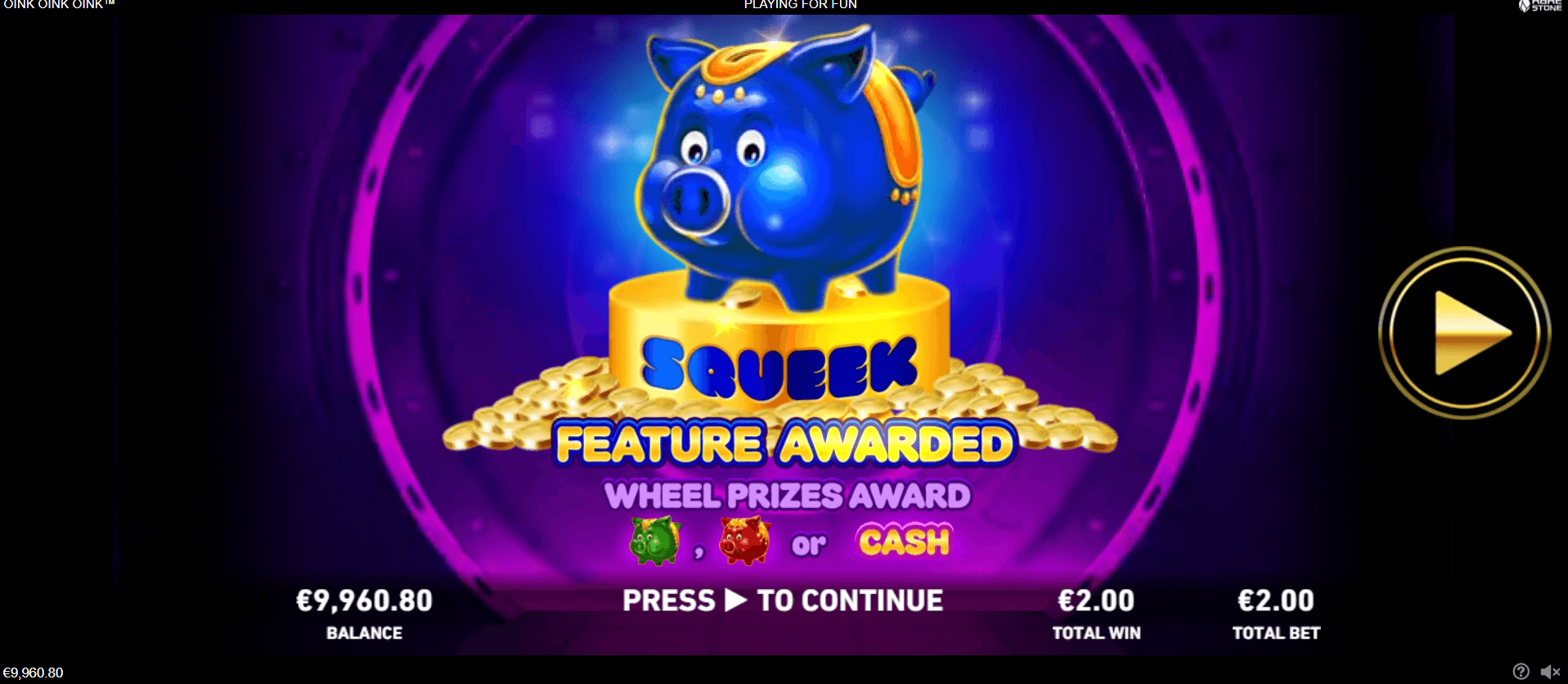
Anyone who’s stood in a British Post Office line will understand a certain contemporary ritual https://oinkoinkoink.net/. You stand there, holding a parcel or a document, and your hand strays to your phone. Before you know it, you’re not watching a number ticket but at a screen full of cartoon pigs and spinning reels. The saying “Post Office line Oink Oink Oink slot government wait” captures this exact time. It’s where the slow process of bureaucratic work meets into the instant buzz of online games. This article looks at that clash. We’ll walk through the facts of service delays, the attraction of slots like Oink Oink Oink, and what occurs when people use one to escape the other.
The Fact of the Post Office Queue in Today’s Britain
The Post Office line is a reality of life for millions. It’s where you go to dispatch a birthday present, renew a car tax disc, deposit a cheque, or hand in a ID photo. In numerous towns, with banks long gone, it’s the sole place left for these face-to-face transactions. The picture is common. A queue of people, each carrying a different small crisis, edging forward every few minutes. Wait times can consume an hour or more, made worse by less branches and limited staff. This is not a slight irritation. It’s a solid block of your day, lost. That wait is more than people; it’s a tangible representation of waiting. You can witness your progress, but only in tiny increments, a slow-motion dance with the state.
The mental difference of waiting versus playing
The psychological divide separating waiting from gaming is enormous. Dealing with government waiting is passive. You submit to a system you can’t see or influence. It creates a nagging worry. Did I complete box seven properly? Did my documents arrive? Spinning a slot is an active choice. Each spin delivers immediate feedback—a jingle, a flash of colour, a win or a loss. It gives you a fleeting feeling of control. This difference isn’t small. It clarifies why your fingers itch for your phone during a long hold. The game reduces the irritation by tickling the brain’s reward centres. It offers tiny hits of uncertainty and possible joy, making the clock on the wall seem to tick a little faster.
Regulatory Perspectives: Gambling and Public Responsibility
Employing gambling games as a universal distraction isn’t easy. The UK Gambling Commission imposes strict rules: age checks, deposit limits, links to support groups. But the convenience during monotonous or stressful moments is a genuine worry. Responsible gambling ads claim slots are for fun, not a cure for issues or a way to make money. The risk is clear. The frustration born from a two-hour Post Office wait could push someone to pursue a win, expecting for a rapid emotional or financial boost. It’s a signal that personal awareness counts, even during what feels like safe play to kill time.
Examining the Oink Oink Oink Slot’s Appeal
What makes this particular game suit the line so well? Its charm is simple. The motif is cheerful animals, a world apart from the harsh wording of official documents. The mechanics are simple. Choose a stake, press play, see what happens. This straightforward causality is satisfying just because government processes miss it. Components like extra spins offer a tiny dose of thrills that begins and concludes before you are summoned. For a person marooned in a Post Office for forty-five minutes, these brief cycles of chance offer a mental escape. They create an illusory feeling of movement. You could not be advancing in the line, but something on the display is always occurring.
Understanding the “Government Wait” and Processing Delays
The “official delay” doesn’t finish at the Post Office door. It follows you home. It’s the eight-week pause for a new driving licence from the DVLA. It’s the months of silence after posting a tax return to HMRC. It’s the local council planning department that takes a season to answer an email. These processing times are now counted in weeks, not days. The reasons are a complicated mix. Aging computer systems struggle under online demand. Pandemic backlogs never fully cleared. Budget cuts leave departments shorthanded. For the person waiting, the effect is a constant low-grade anxiety. Life feels frozen on hold. You can’t plan, you can’t move forward, because you’re hoping for an envelope that may or may not come next Tuesday.
The Future of Service Provision and Digital Distraction
The actual solution for the “Post Office line” problem is to reduce the line itself. If public services worked as seamlessly as a well-designed shopping app—fast, simple, reliable—the need for diversion would shrink. Until that moment comes, users will continue using games to deal. We could see public spaces supplying free WiFi that guides people toward information or games instead of gambling sites. The insight for all service providers is this. In a landscape of immediate digital satisfaction, a long wait isn’t just an annoyance. It’s a clear invitation for your client to retreat into their device, with whatever consequences that carries.
The way “Queue Gaming” Became a Nationwide Hobby
That represents how “queue gaming” became established. Trapped in a queue otherwise listening to hold music on a government hotline, your phone becomes essential. People no longer simply stare at the wall any longer. Users pass the empty time using video slots. A game like Oink Oink Oink fits perfectly. The pig motif is silly and playful. The gameplay requires virtually zero mental effort. It allows you to play in twenty-second spurts, look up as the line moves, then dive back in. This habit marks a significant change. Nowadays we use commercial entertainment to reclaim mastery of time that belongs to others. The implication is clear: if you plan to take my time, I will use it in my own way.
The Online Retreat: Surge of Instant-Play Slots like Oink Oink Oink
Amid this context of sluggish officialdom, online slots work at a different speed. Games like the Oink Oink Oink slot, which you can discover at sites such as oinkoinkoink.net, offer a striking contrast. One minute you’re in a drab queue, the next you’ve tapped your phone and arrived in a colorful, noisy farmyard. The appeal is all in the immediate result. No waiting. You tap spin, the reels whirl for a second, and you learn your fate. The games are built for straightforwardness and auditory reward. They have simple rules, unlike the confusing maze of government guidance. Here, the only authority is a random number generator, and it provides you an answer right away.
FAQ
What is meant by “Post Office line Oink Oink Oink slot government wait”?
It captures a modern British habit. It illustrates killing time during long waits for Post Office or government services by playing online slot games like Oink Oink Oink on your phone. It points to the clash between slow bureaucracy and fast digital distraction.
Is the Oink Oink Oink slot game legal to play in the UK?
Absolutely, if the website holds a current UK Gambling Commission licence. Operators like oinkoinkoink.net must verify a player’s age, offer tools like deposit limits, and give links to self-exclusion schemes to stay within the law for UK customers.
Why are Post Office and government waits so long in the UK?
A few key problems come together to create delays. Old computer systems battle new demand. Staffing levels haven’t rebounded from cuts and the pandemic. As more branches close, the remaining ones become busier. The result is a bottleneck where everything, from passports to tax forms, requires longer than it should.
Is it secure to play mobile slots like Oink Oink Oink in public?
Technically, yes, but you must be smart. Avoid public WiFi; use your mobile data for a secure connection. Be aware of who can see your screen. You don’t want strangers watching you enter passwords or seeing your balance. Remember, responsible gambling holds true even on a bus or in a queue.
Is playing slots in line become a problem?
It might. Employing gambling to soothe boredom can turn it into a habit unnoticed. Establish a firm limit on both time and money before you open the app. If you notice yourself playing to flee from stress or trying to win back losses, it is a warning sign. Pause and look up resources from organizations like GamCare.
What exist as the alternatives to playing while awaiting services?
Numerous options are available. Pick up a book or hear a podcast. Utilize the time to go through your emails or prepare your weekly meals. Some government portals allow you to start other applications online. A few services even provide a callback option, enabling you to step out of the queue and continue with your day until they call you.
The image of a Post Office queue alongside the Oink Oink Oink slot is a perfect picture of Britain today. It reveals our impatience with creaky public services and our ability for finding quick digital fixes. While slots provide a temporary break, they also bring to light a bigger issue. We need public administration that operates more smoothly, so people do not feel the need to mentally check out. The goal should be services that honour your time as much as your favourite app does.